

Sound Deadening Jeep
A Jeep is built to go anywhere, and comfort at 120 km/h is not what it was designed around. The upright windscreen and square body push a lot of wind noise into the cabin, off-road tyres hum on tarmac, and body panels drum over rough surfaces. We treat Jeeps zone by zone with SGM materials, so the car stays the same off-road but becomes far calmer on Dubai’s highways.
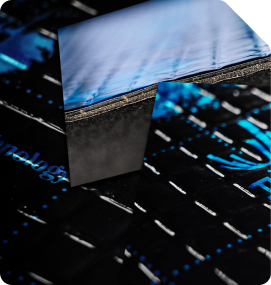
VIBRATION INSULATION MATERIAL
SGM 3-4 mm
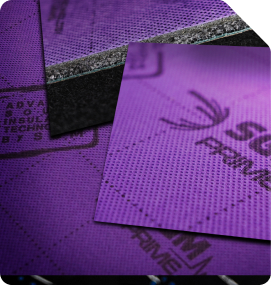
SOUND INSULATION MEMBRANE-BLOCKER
SGM Barrier Lite
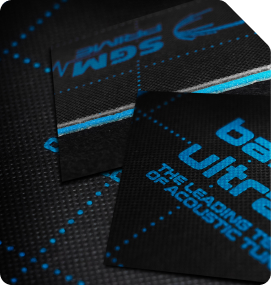
SOUND INSULATION MEMBRANE-BLOCKER
SGM Barrier Ultra
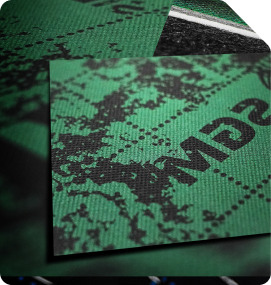
SOUND INSULATION MEMBRANE-BLOCKER
SGM 3-4 mm
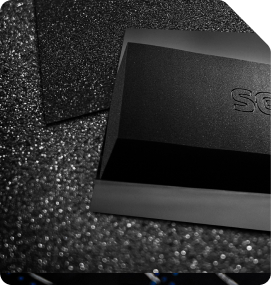
BLOCK FOR FILLING VOIDS IN THE BODY
SGM Block
WE SOLVE THE FOLLOWING PROBLEMS

01
PROTECTION AGAINST NOISE AND VIBRATIONS
We will get rid of excess noise, creaks in the cabin, and low-frequency hum
02
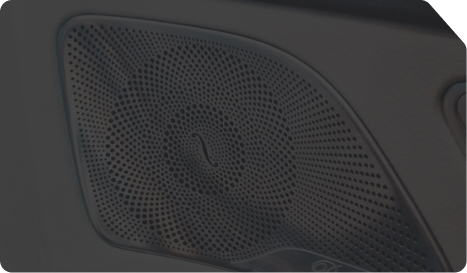
IMPROVING THE SOUND QUALITY OF FACTORY ACOUSTICS IN A CAR
The sound will become more saturated, and the bass will be deep and pleasant

03
THERMAL INSULATION
Keeps the interior cool during the hot season

04
ROAD STABILITY
Improves car behavior when driving on uneven roads

05
SILENCE IN THE CABIN
The car interior will become quieter, and the level of travel comfort will increase

06
CREAKS IN THE INTERIOR
We will resolve issues related to plastic squeaks in the cabin (for an additional fee)
CHANGES IN THE LEVEL OF NOISE REDUCTION FROM DECIBELS AT TIMES

*The change in decibels is not linear but logarithmic. Minus 1 dB is equivalent to a noise reduction of 1.26 times. Therefore, between 30 dB (almost silent) and 120 dB (plane on takeoff), there is only a fourfold difference in numbers, but colossal in reality

WE FOCUS ON QUALITY
The processing takes 2-3 days because we want to achieve maximum results and treat every surface in detail
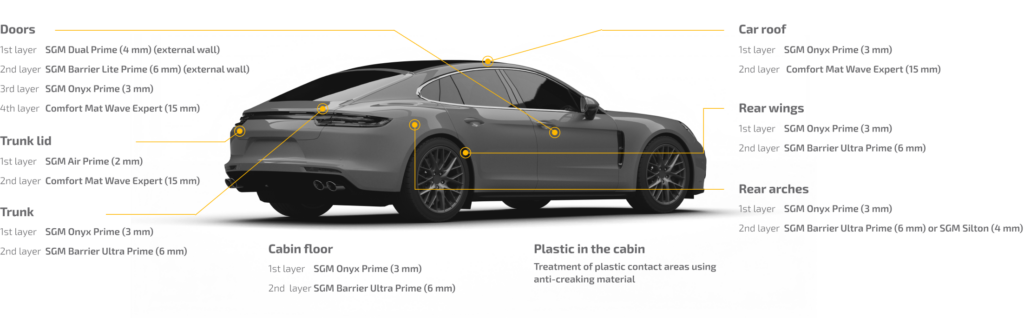
PROCESSING ZONES
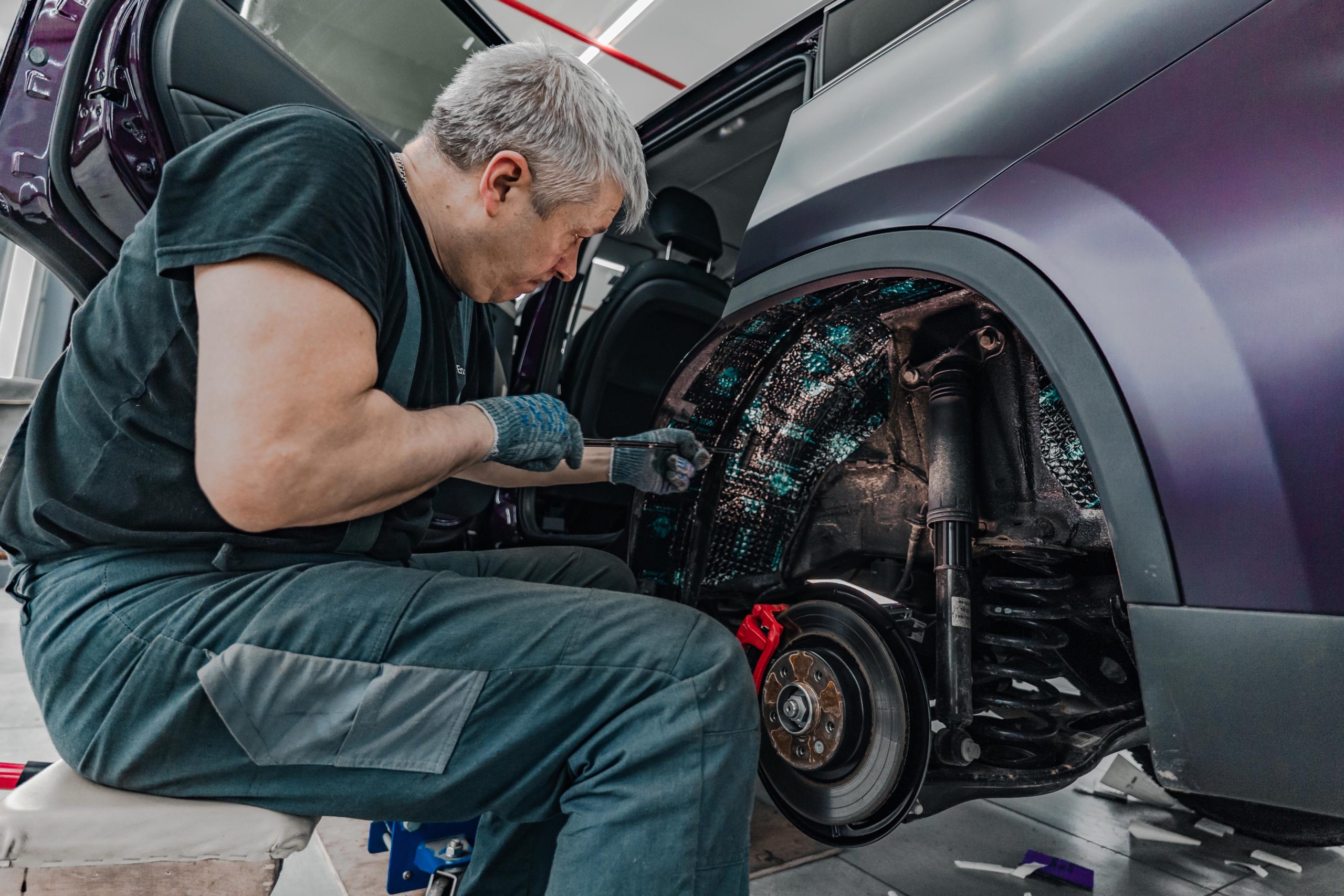
PHOTOS OF Car Sound Deadening
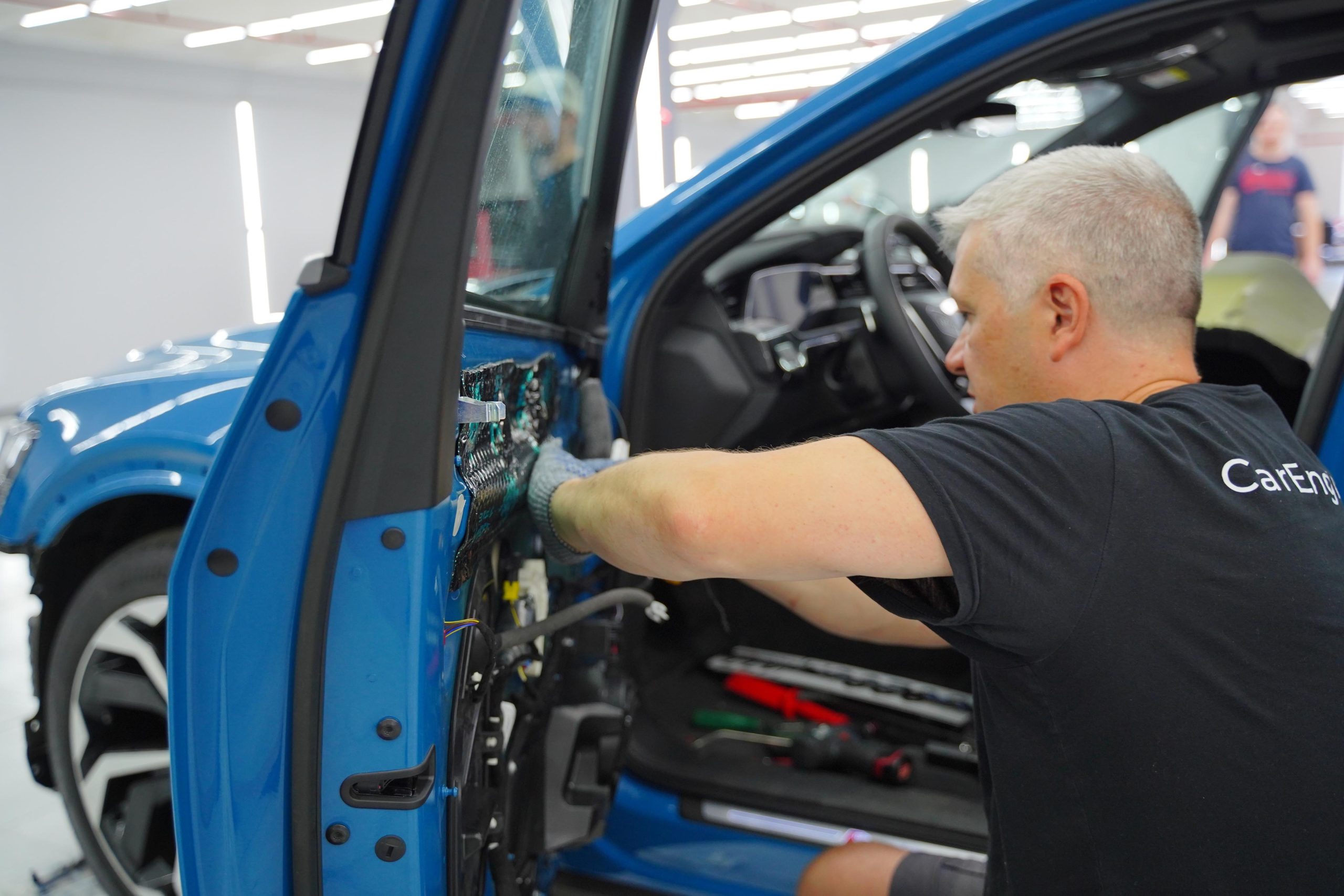
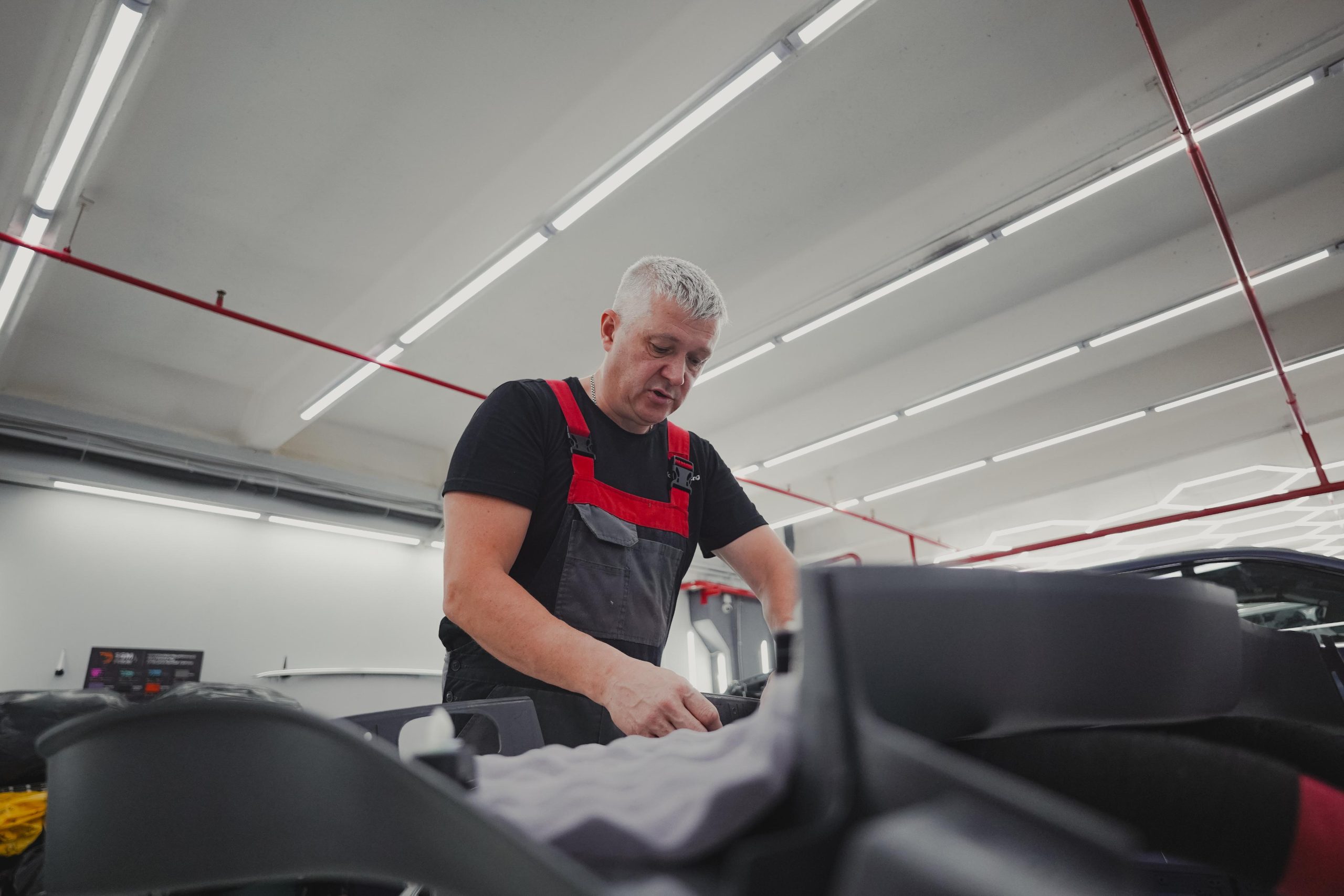
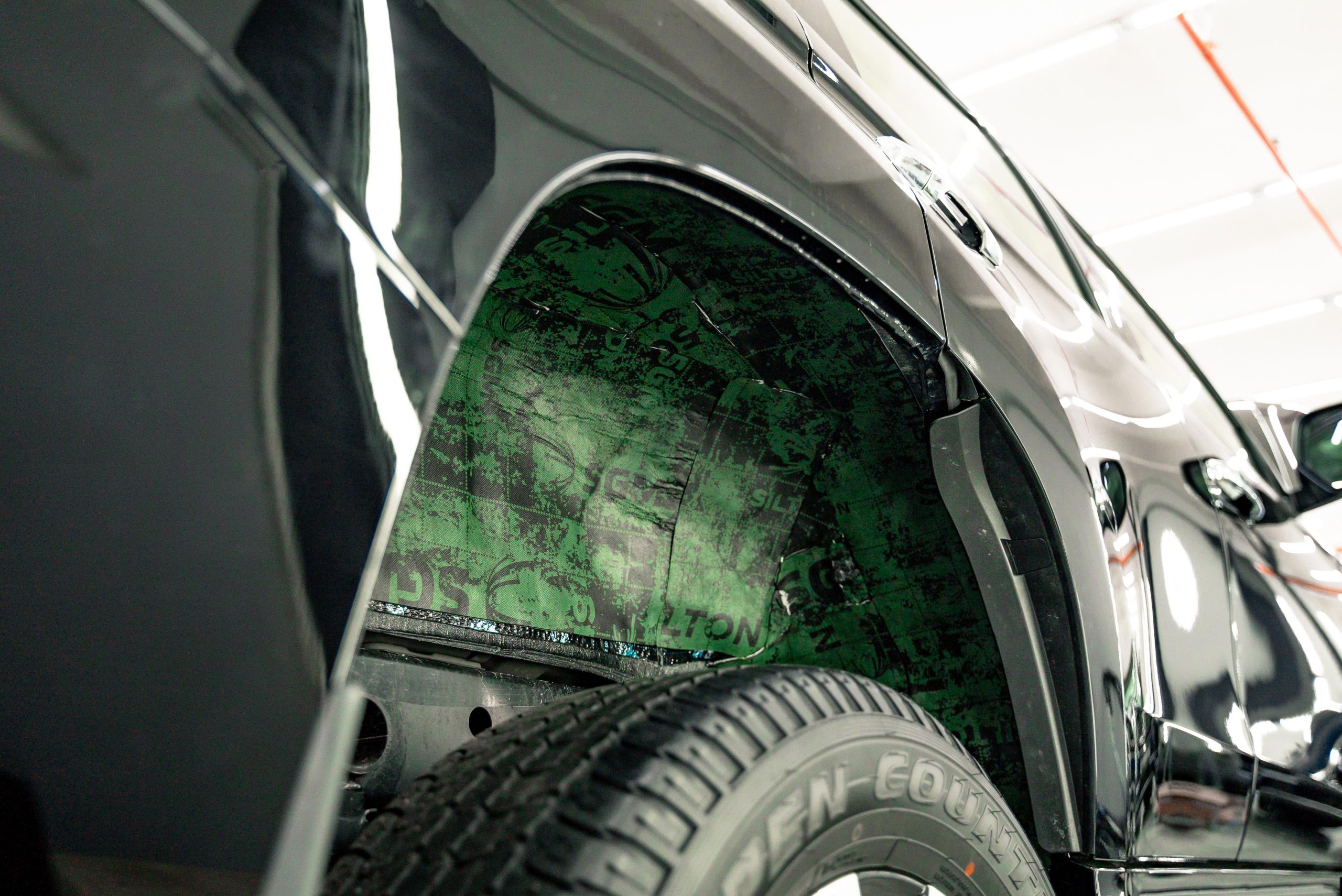
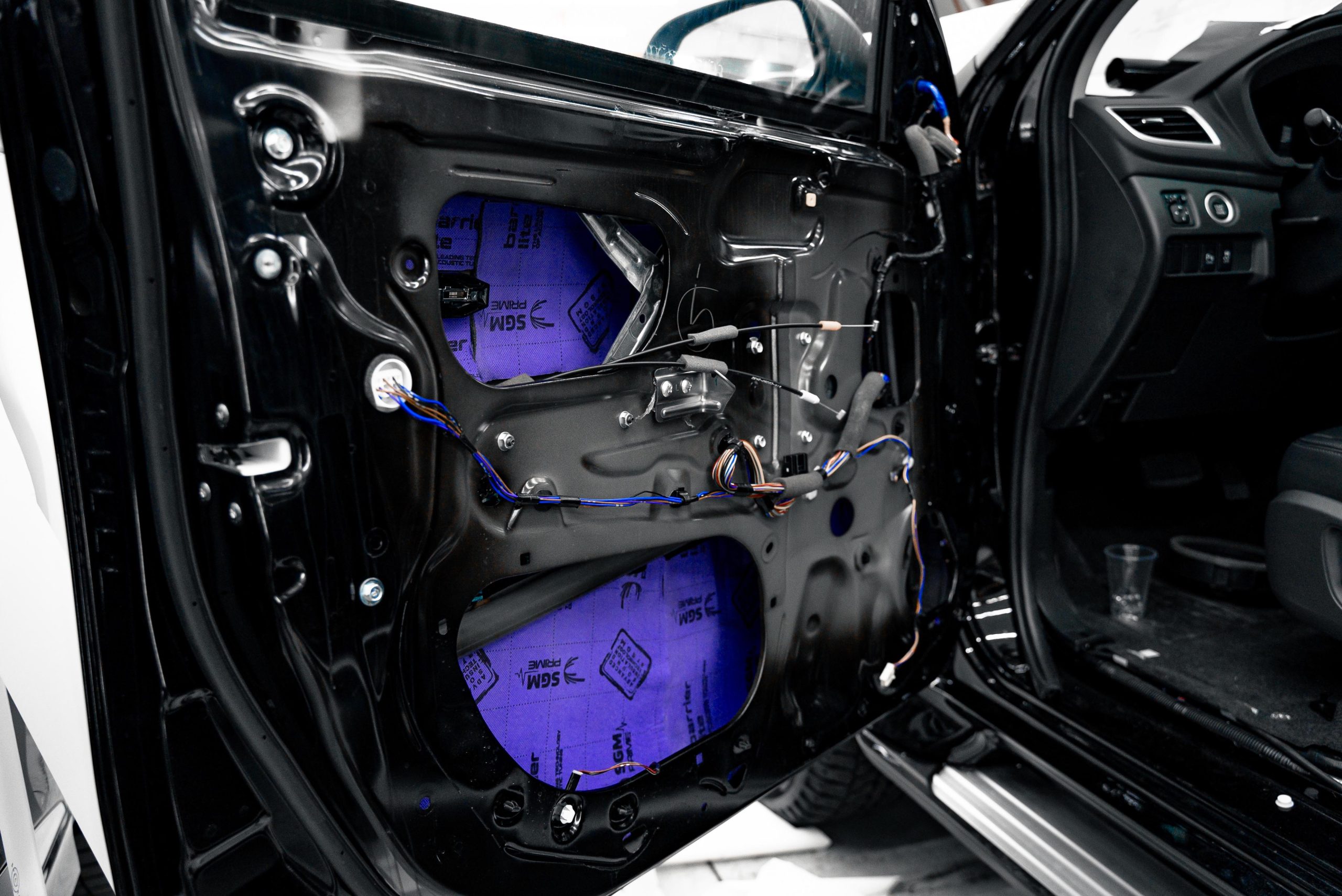
We record all stages of work and provide a full report on the materials used and the work done
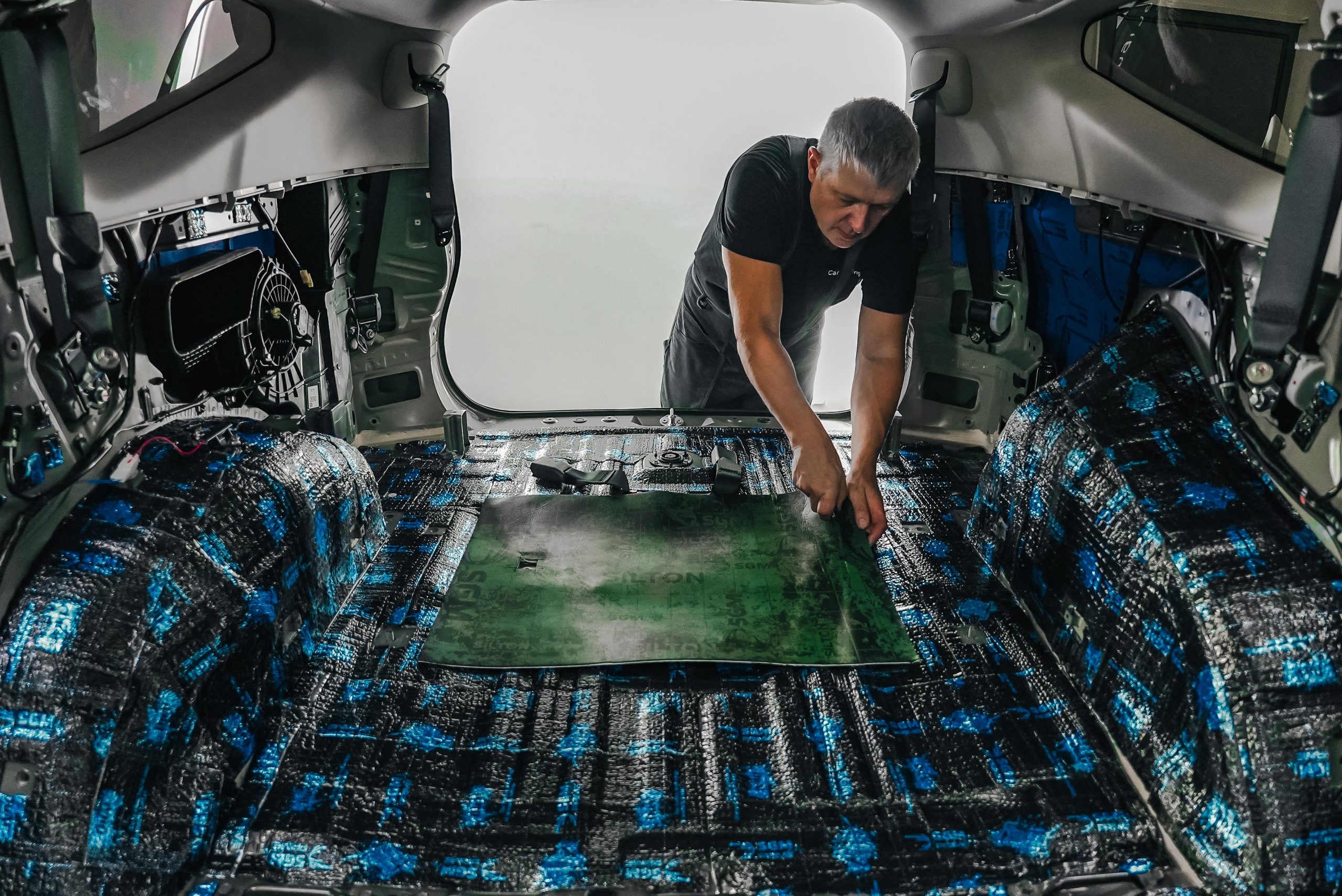
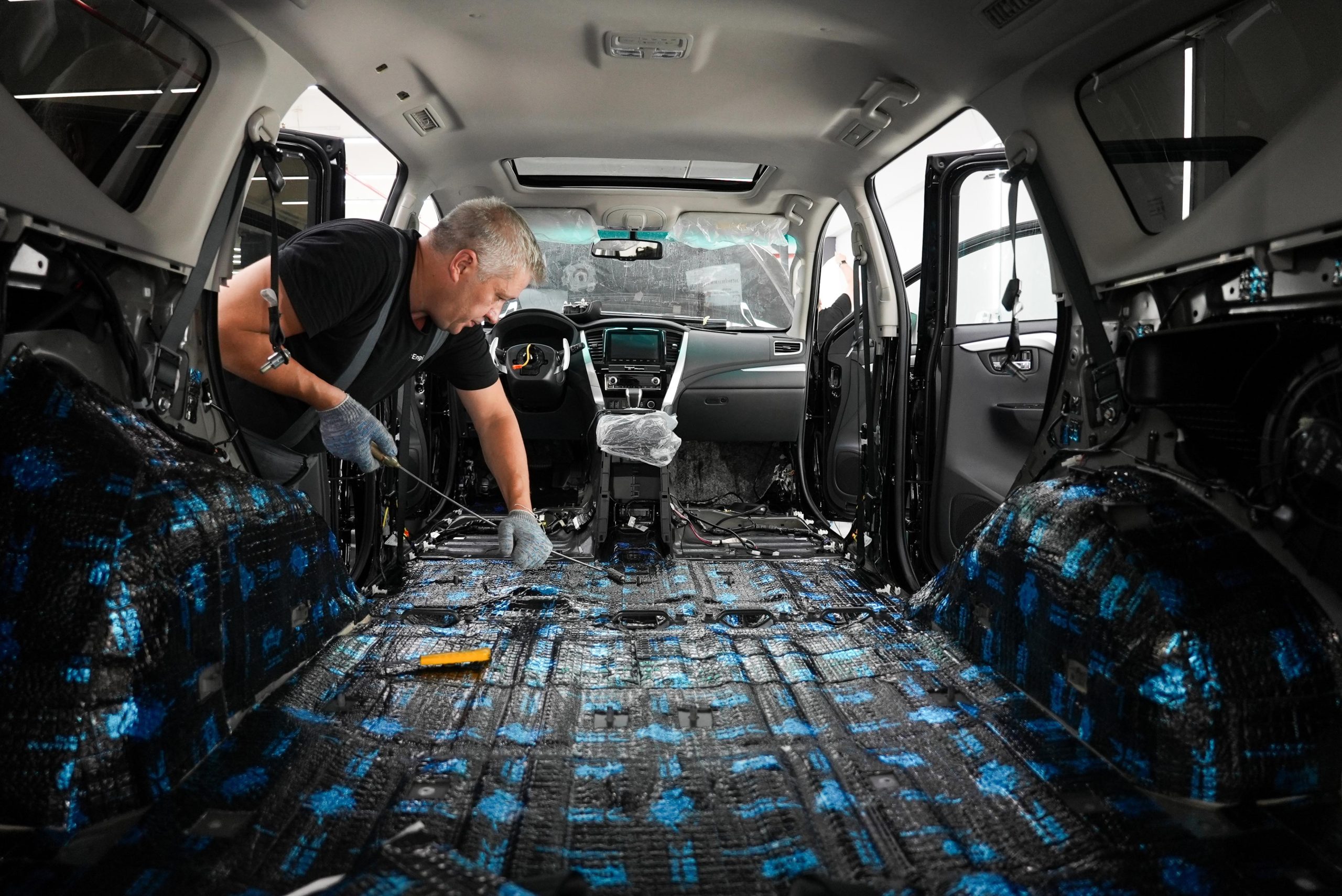
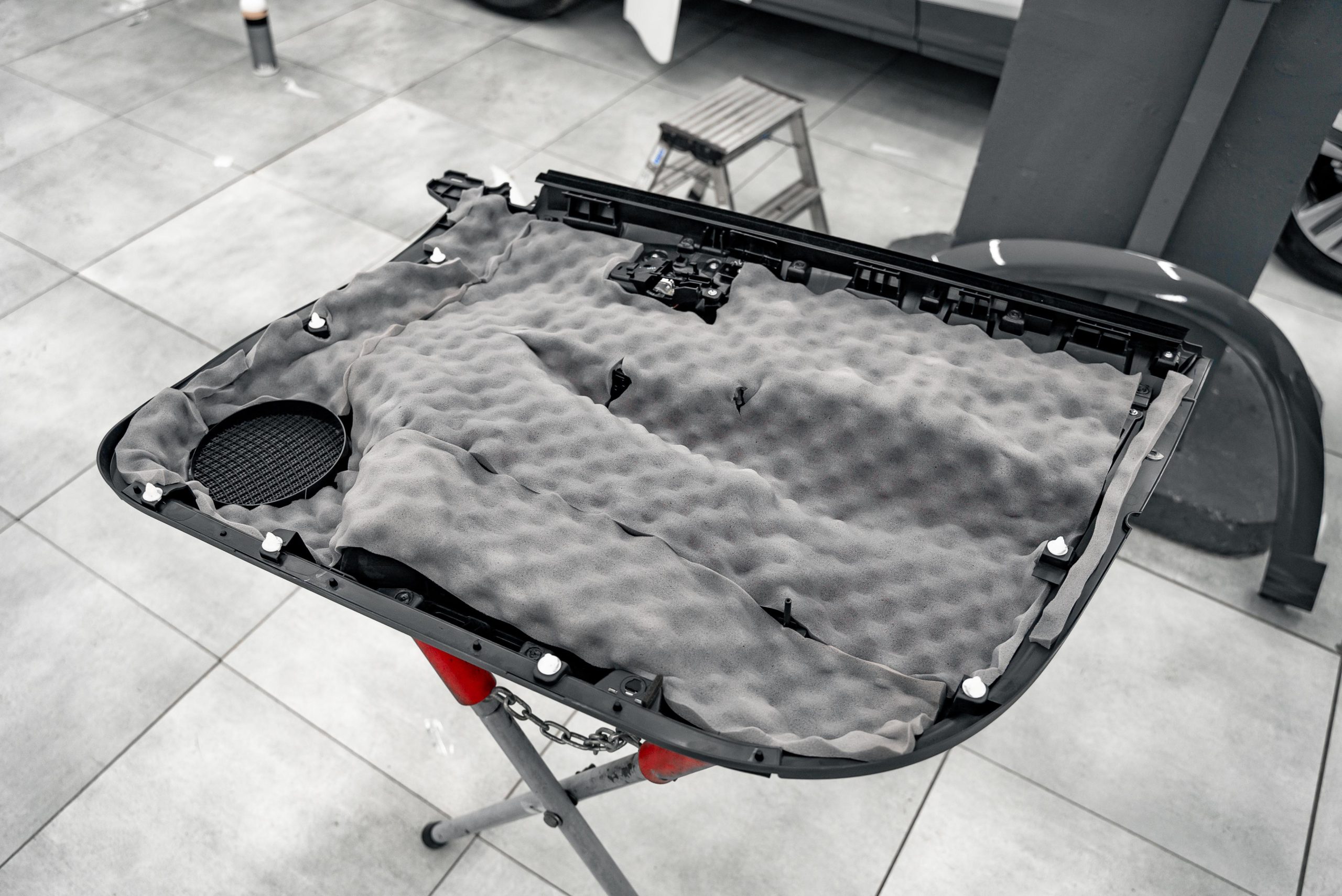
Jeep Soundproofing in Dubai
Most Jeep owners in the UAE use their car for both the desert and the daily commute. The noise they complain about is usually a mix: wind roar from the flat front and mirrors, tyre hum through the floor and wheel arches, and panel resonance that grows with speed. Each of these travels by a different route, so we use two types of material. A 3–4 mm SGM vibration layer goes on the metal to stop panels resonating. Barrier Lite or Barrier Ultra membrane blockers go over it to stop airborne noise.
We treat the doors, floor and roof on every car. On a Jeep, the wheel arches, the load area and the engine bay are often worth adding, and the technician decides this with you after hearing the car and asking how you drive it. The result is a cabin where you can talk and take calls at highway speed, the factory audio sounds fuller, and the air conditioning copes better with the summer heat.
COST

What Sound Deadening Changes in a Jeep
- Less wind noise: the doors and the roof area are the main paths for wind roar on a square body.
- Less tyre hum: treating the floor and wheel arches reduces noise from all-terrain and mud tyres on tarmac.
- Better audio: door panels stop vibrating with the speakers, and the bass becomes tighter.
- Cooler cabin: the same materials slow heat coming in from the floor and roof.
- Fewer rattles: plastic squeaks in the cabin can be fixed as an additional service.
We’re known for delivering the best auto sound deadening in the city, with precision work and attention to detail.
How We Work on Your Jeep
Every Jeep in the range is built differently. The Wrangler has a body-on-frame chassis with removable doors and a removable hardtop. The Grand Cherokee is a monocoque SUV with a much more closed cabin. The Gladiator adds a rear cab wall behind the seats. So we don’t use one kit for all of them. The technician studies how your model’s interior comes apart, then chooses the material and thickness for each zone.
On the floor, we use material no thicker than 4 mm, so the carpet sits flat after reassembly. For a Wrangler owner who removes the doors or roof panels, we discuss in advance which zones make sense to treat so the removable parts still come off and fit as before. Every stage is photographed. When the car is returned, you receive a full report on which materials went where.
Sound Deadening Jeep – FAQs
Why is a Jeep so noisy on the highway?
A Jeep is designed for the desert and rough tracks first, and for a quiet ride second. The upright windscreen and square body catch a lot of wind, so wind noise builds up quickly once you pass 100 km/h. All-terrain and mud tyres add a steady hum through the floor and wheel arches, and large flat panels start to drum on rough road. Each type of noise reaches the cabin in its own way, which is why effective sound deadening on a Jeep is planned zone by zone rather than with one universal kit.
What does auto sound deadening actually change in a Jeep?
The main benefits of car sound deadening are a quieter cabin, fuller audio and a cooler interior. After our car soundproofing, most drivers notice first that they can talk and take calls at highway speed without raising their voice. Road noise, wind noise and the low-frequency hum drop to a much calmer level, the factory speakers sound richer, and the air conditioning copes better with the Dubai summer. Your Jeep stays exactly as capable off-road, but the daily commute becomes a much more comfortable ride with less stress. With less noise around you, it is easier to focus on the road and enjoy some peace on long drives, and that changes the whole driving experience.
Which sound deadening materials do you use?
We work with SGM, one of the brands made specifically for automotive sound insulation. The system is built in two layers. The first is a 3 to 4 mm SGM vibration layer, the kind of material often called butyl mats in the industry, applied directly to the metal to stop panel vibration and panel resonance. This is vibration control. The second is an SGM Barrier Lite or Barrier Ultra membrane blocker placed over it to block noise that travels through the air, while foam layers help absorb noise that is already inside the cabin. Where the body has hollow cavities, we use SGM Block to fill the voids. If you want the technical details of the butyl layer or the closed cell foam in a specific product, our specialists will go through them with you before installation.
Do you use mass loaded vinyl?
Many installers use mass loaded vinyl as the heavy barrier product against airborne noise. In our system, that job is done by the SGM Barrier Lite and Barrier Ultra membrane blockers, which go over the vibration layer. The technician chooses between them for each area of your Jeep depending on where the noise is coming from, because reducing road noise on a Jeep often starts with the floor, while the doors do more to block road noise coming from the side.
Which areas of a Jeep do you treat?
Doors, floor and roof are treated on every car we work on, and on most cars the front doors are where owners notice the change first. On a Jeep, the wheel arches, the load area and the engine bay are often worth adding as additional measures. The wheel wells and floor are where tire noise from off-road tyres comes in, the doors and roof are the main paths for wind noise on a square body, and the engine bay area is linked to engine noise and heat. The technician decides the final list of key areas with you after listening to the car and asking how you use it.
I take the doors and roof off my Wrangler. Can I still install sound deadening?
Yes. We discuss this with you before work begins and agree which zones make sense to treat, so that the doors and roof panels still come off and fit back exactly as before. This way you get a quieter ride on the highway and keep the open-air experience that made you buy a Wrangler.
Is the approach different for a Wrangler, Grand Cherokee and Gladiator?
Yes, because the vehicles are built differently. The Wrangler has a body-on-frame chassis with removable doors and a removable hardtop. The Grand Cherokee is a monocoque SUV with a much more closed cabin. The Gladiator adds a rear cab wall behind the seats, and unlike a sedan it has no trunk lid, so the rear of the cabin is treated differently. That is why we don’t use one kit for every Jeep: the technician studies how your model’s interior comes apart and chooses the material and thickness for each zone.
Will car soundproofing completely eliminate road noise?
No, and we don’t promise a fully sound proof cabin. No car sound deadener insulation can completely eliminate road noise, external noise or outside noise, especially with off-road tyres. What you get is a real noise reduction: road noise, wind and unwanted noise are brought down to a level where the cabin feels calm. Decibels work on a logarithmic scale, so even a few decibels less makes a big difference to what you hear.
Will my music and speakers sound better?
Yes. When the door skins and door panels are damped, they stop vibrating together with the speakers. The sound becomes fuller, the bass gets tighter, and you can hear the music clearly at a lower volume. Many owners are surprised how much the factory audio improves without changing a single speaker.
Does sound deadening also help with heat?
Yes, heat insulation and thermal insulation are among the reasons our customers in the UAE choose this service. The same materials slow down heat coming into the cabin through the floor and roof, so the interior stays cooler during the hot season. How much heat transfer and temperature control you gain depends on the zones treated, and our specialists will tell you what to expect for your package.
Can moisture get under the material after desert trips or water crossings?
The materials we use are designed for automotive use and are chosen for this climate. Quality matters here: modern sound deadening materials are made to seal against the metal and not absorb moisture. Before a mat is installed, bare metal surfaces are cleaned and degreased so the material bonds properly with no gaps left underneath, and isopropyl alcohol is the usual choice for this step in the industry. If you often cross water or wash the interior of your Jeep, mention it at the consultation and the technician will explain how those areas are handled.
How long does the installation take?
Processing takes 2 to 3 days. We don’t rush it, because we want the maximum result and treat every surface in detail. On the floor we use material no thicker than 4 mm, so the carpet sits flat after reassembly. Every stage is photographed, and when you collect the car you receive a full report on which materials went where.
Can you also fix rattles and squeaks in my Jeep’s interior?
Yes. Plastic squeaks and rattles in the cabin are a common complaint on Jeeps that see rough roads. We can fix them as an additional service, and the price is agreed with you in advance.
How much does Jeep sound deadening cost in Dubai?
For SUVs, including Jeeps, our soundproofing service starts from 10,500 AED. The final price depends on the model, the zones you choose and the materials used for each of them. The technician agrees the full list and the price with you before any work starts.
Is sound deadening worth it on a Jeep?
For Jeep owners who drive on the highway every day, it is a smart upgrade. The car keeps its off-road character, but the cabin starts to feel much closer to luxury cars in terms of calm and comfort. Our sound deadening materials also help protect the interior from heat, and the air conditioning performance feels better in summer.
Where are you located?
Our location is the detailing centre at 133 Al Rasaas Rd, Al Quoz Industrial Area 2, Dubai. We are open every day from 10:00 to 19:00. You can call, message us on WhatsApp or leave a request on the site, and we will arrange a time to look at your Jeep.
